Best Pallet Truck Seals for Optimal Performance and Durability?
In the warehouse and logistics industry, the efficiency of operations heavily relies on the performance of equipment. One essential component is the Pallet Truck Seals. According to a report by the Material Handling Industry of America, damaged or inefficient seals can lead to an estimated 25% increase in operational costs. This occurs due to increased maintenance needs and potential downtime. Reliable pallet truck seals can drastically improve the longevity of your equipment, enhancing productivity.
However, many businesses overlook the importance of selecting the right seals. The wrong choice can lead to frequent replacements, causing interruptions in workflow. Industry data indicates that using high-quality seals can reduce maintenance costs by up to 30%. Investing in optimal pallet truck seals is not just about immediate savings; it’s about long-term sustainability.
Ultimately, identifying the best pallet truck seals involves balancing cost and performance. Companies need to assess their unique operational demands. Addressing this can seem daunting, yet it is critical. Without a proper strategy for seal maintenance and selection, businesses may face unforeseen challenges in their supply chain efficiency.
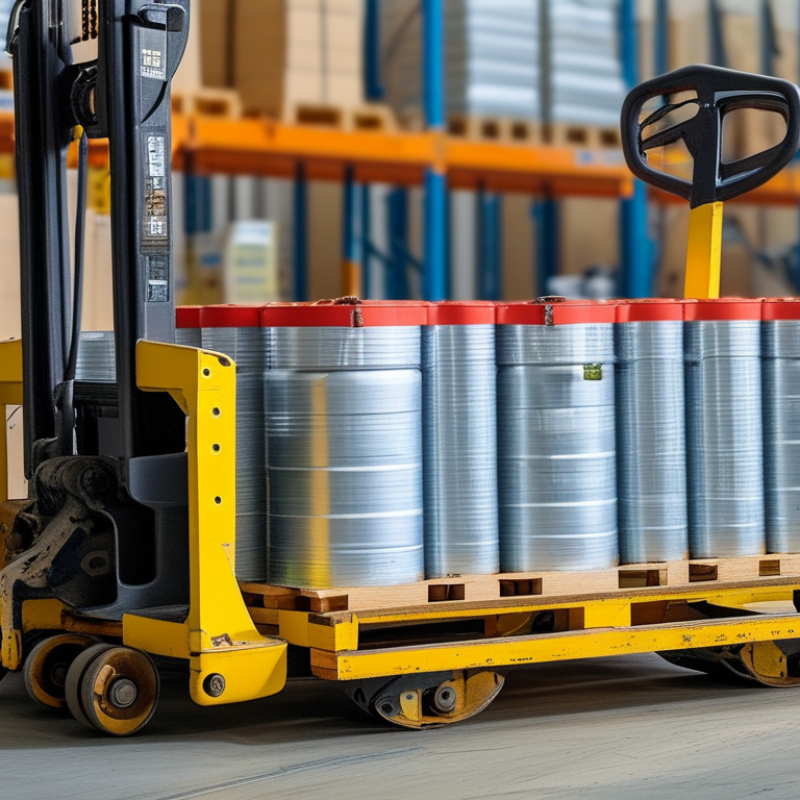
Understanding Pallet Truck Seals: Types and Functions
Pallet truck seals play a crucial role in the performance and longevity of your equipment. These seals prevent leaks and protect against contaminants. There are various types of seals, including rubber, polyurethane, and metallic options. Each type serves a distinct function based on the application and environment. Understanding these differences is vital for optimal performance.
Rubber seals are commonly used for general applications. They offer good flexibility and resistance to wear. Polyurethane seals are more durable, making them suitable for heavy-duty tasks. Metallic seals provide superior protection in extreme conditions, though they may not be necessary for all users.
Tips: Always inspect seals regularly for wear signs. Small cracks or loss of flexibility can signal the need for replacement. Additionally, remember to clean seals frequently to remove debris. This maintenance step helps prolong seal life and enhances performance.
Key Features to Look for in High-Quality Pallet Truck Seals
When selecting pallet truck seals, key features significantly impact performance and durability. High-quality seals should be made from robust materials that withstand wear and tear in industrial environments. According to a recent industry report, seals made from polyurethane can last 50% longer than those made from standard rubber. This increased lifespan means fewer replacements and reduced maintenance costs.
Another vital feature is the seal’s resistance to various fluids. Many pallet trucks operate in environments where oil, grease, or water exposure is common. A good seal should be resistant to these substances to prevent deterioration. Research suggests that seals that withstand harsh chemicals maintain integrity up to three times longer. This resistance enhances reliability, ensuring smooth operations in demanding conditions.
Additionally, proper fitting is crucial for optimal functioning. Even a slight misalignment can lead to unnecessary friction and premature failure. It’s essential to measure and assess conditions accurately before installing seals. Regular inspections can reveal potential issues. However, many often overlook this maintenance step. This oversight can lead to increased wear and decreased efficiency over time. Investing in the right seals will pay off through enhanced durability and reduced operating costs.
Performance and Durability of Pallet Truck Seals
Benefits of Using Top-Grade Seals for Pallet Truck Performance
Using top-grade seals for pallet trucks offers numerous benefits that significantly enhance performance and durability. High-quality seals are designed to withstand heavy loads and harsh environments. According to industry reports, effective seals can reduce maintenance costs by up to 30%. This not only improves operational efficiency but also extends the lifespan of the equipment.
Seals play a crucial role in preventing leaks and ensuring proper functioning. A well-sealed pallet truck maintains hydraulic pressure better, translating to smoother operation and faster lifting times. Studies indicate that trucks with quality seals can operate up to 15% more efficiently than those with inferior ones. This efficiency can lead to increased productivity, making a noticeable difference over time.
**Tips:** Regular inspection of seals is vital. Look for signs of wear, such as cracks or splits. Replacing worn seals promptly can prevent costly breakdowns and interruptions in workflow. Additionally, consider the operating environment when choosing seals. Harsh chemicals or extreme temperatures can affect seal performance. Checking compatibility is essential for optimal results.
Maintenance Tips to Enhance the Durability of Pallet Truck Seals
Maintaining pallet truck seals is crucial for their longevity and efficiency. Regular inspections can reveal wear or damage that might compromise seal integrity. Look for cracks, tears, or signs of oil leakage. Addressing these issues early can prevent larger problems later. A simple visual check every few weeks can save time and resources.
Lubrication plays a key role in seal maintenance. Using the appropriate lubricant reduces friction and wear. However, be cautious not to over-lubricate, as excessive lubricant can attract dust and debris. Keeping seals clean is equally vital. Dirt accumulation can lead to seal degradation. Routine cleaning with mild soap and water helps maintain optimal performance.
Investing time in training your team on proper handling and maintenance techniques improves seal lifespan. Educating staff on avoiding sharp edges during pallet movements can also minimize damage. Encourage them to report any irregularities immediately. This proactive approach fosters a culture of care and responsibility for equipment.
Best Pallet Truck Seals for Optimal Performance and Durability - Maintenance Tips to Enhance the Durability of Pallet Truck Seals
| Seal Type | Material | Temperature Resistance (°C) | Pressure Rating (bar) | Lifespan (years) | Maintenance Tips |
| Rubber Seal | Rubber | -20 to 70 | 8 | 3-5 | Regular cleaning and lubrication |
| Polyurethane Seal | Polyurethane | -30 to 80 | 10 | 4-7 | Inspect for wear and tear regularly |
| Nitrile Seal | Nitrile Rubber | -40 to 100 | 12 | 5-10 | Proper storage and handling when not in use |
| Silicone Seal | Silicone | -60 to 200 | 6 | 3-6 | Avoid exposure to extreme chemicals |
Comparative Analysis of Leading Brands in Pallet Truck Seals
When analyzing pallet truck seals, several key factors come into play. The choice of material significantly impacts both performance and durability. Industrial-grade rubber and polyurethane are commonly used. These materials offer excellent resistance to wear and tear. However, not all seals perform equally. Testing different brands reveals variations in compression set and resilience. Some seals might fail under extreme conditions, while others thrive.
User feedback provides insights into long-term reliability. Many users report issues with seals that have a shorter lifespan. Leaks are a common complaint. These problems are often attributed to design flaws or subpar materials. Product reviews highlight the importance of proper installation. A poorly fitted seal can negate its effectiveness, regardless of the brand.
Industry professionals emphasize the value of thorough testing. Experimenting with seals under various environmental conditions is crucial. Performance can vary widely based on temperature and load. Close attention to factors like pressure resistance can make a difference. Users may want to consider whether the higher cost of premium seals justifies their longevity. In the end, the right choice balances performance, durability, and cost-effectiveness.

 Cosmetic Packaging
 Display Packaging
 CBD Packaging
 Retail Packaging
 Product Packaging
 Cigarette Packaging
 Candle Packaging
 Soap Packaging
 Chocolate Packaging
 Vape Packaging
 Food Packaging
 Window Packaging Boxes
 Gift Packaging
 Bakery Packaging Boxes
 Pizza Packaging
 Bottle Packaging
 Garments Packaging
 Custom Printed Bags
 Christmas Packaging
 Toy Packaging
 Cereal Packaging
 Jewelry Packaging
 Apparel Packaging
 Shipping Packaging
 Custom Pre Roll Boxes
 Dispenser packaging
 Eco Friendly Packaging
 Custom Health Packaging
 Pharmaceutical Packaging


