Cosmetic Packaging
Display Packaging
CBD Packaging
Retail Packaging
Product Packaging
Cigarette Packaging
Candle Packaging
Soap Packaging
Chocolate Packaging
Vape Packaging
Food Packaging
Gift Packaging
Bakery Packaging Boxes
Pizza Packaging
Bottle Packaging
Garments Packaging
Custom Printed Bags
Christmas Packaging
Toy Packaging
Cereal Packaging
Jewelry Packaging
Apparel Packaging
Shipping Packaging
Custom Pre Roll Boxes
Dispenser packaging
Eco Friendly Packaging
Custom Health Packaging
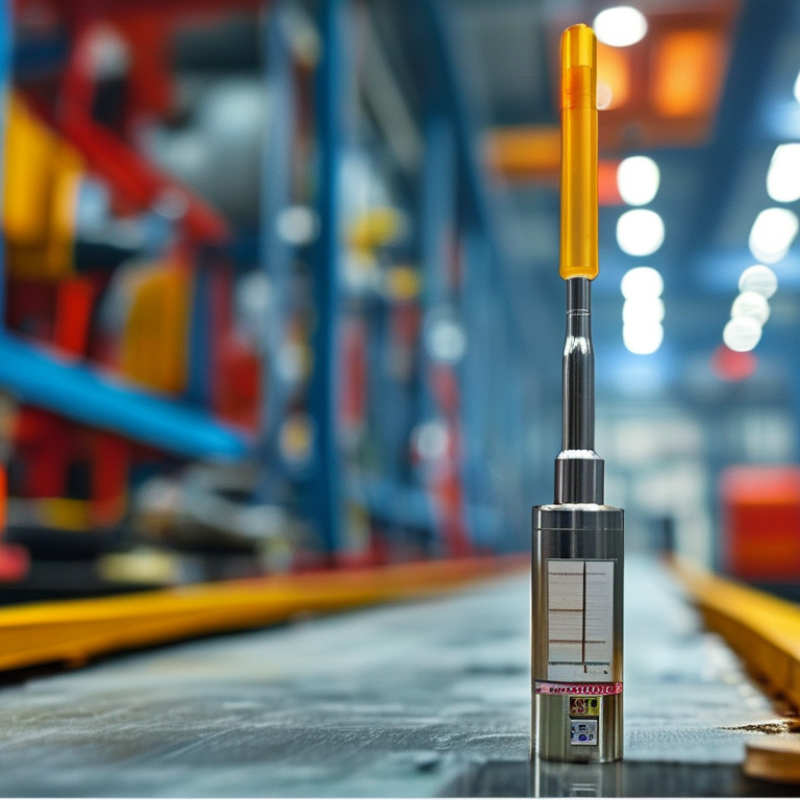
Pharmaceutical PackagingIn today's industrial landscape, accurate temperature measurement remains critical. The PT100 temperature sensor is widely recognized for its precision. According to a report by MarketsandMarkets, the global temperature sensor market is projected to reach $6.5 billion by 2026, driven by rising demand for high-performance sensors. The PT100 temperature sensor stands out due to its high accuracy and stability.
This sensor operates on the principle of resistance changes in platinum with temperature variations. It offers reliable measurements across various applications, from manufacturing to HVAC systems. A study published by the Journal of Instrumentation highlights that PT100 sensors can achieve an accuracy of ±0.1°C in many settings, showcasing their effectiveness. However, challenges remain. Factors such as installation errors and calibration issues can affect performance.
Industry experts recommend careful selection and installation of the PT100 temperature sensor to maximize its potential. Understanding these nuances is essential for professionals aiming to enhance temperature measurement in their operations.
PT100 temperature sensors are widely used for precise temperature measurement in various applications. They operate based on the principle that the resistance of platinum changes with temperature. This feature makes them reliable for processes where accuracy is critical. Users often appreciate their stability and wide temperature range, which can span from -200°C to +850°C.
The design of PT100 sensors supports versatility, making them suitable for industrial, laboratory, and environmental monitoring. However, they can be sensitive to electrical noise and require proper installation. Poor wiring or incorrect placement may lead to inaccurate readings, necessitating careful calibration. Understanding these nuances is vital for achieving the expected performance.
Professionals in fields such as manufacturing or research should not overlook the need for regular maintenance. Environmental factors can also play a significant role in sensor accuracy. Factors like moisture or extreme temperature can impact sensor lifespan and reliability. Users should regularly evaluate their sensors to ensure optimal performance and may need to adjust their setups periodically.
This bar chart illustrates the accuracy of PT100 temperature sensors across different temperature levels. As the temperature increases, the accuracy tends to decrease, reflecting the sensor's performance in real-world applications.
PT100 temperature sensors are renowned for their ability to provide precise temperature readings. Their key feature lies in the resistance change that occurs with temperature variations. Specifically, PT100 sensors operate on the principle that the resistance of platinum increases with temperature. This change can be quantified, allowing for reliable and accurate measurements. According to industry reports, they can achieve accuracy levels within ±0.1°C, making them a favorite in industrial applications.
Another significant aspect of PT100 sensors is their stability over time. They have excellent long-term stability, which minimizes the need for frequent recalibrations. This quality is particularly important in environments where temperature consistency is critical. Reports indicate that sensors can maintain accuracy for years, making them cost-effective for businesses. However, it's worth noting that environmental factors, like humidity and vibration, can impact their performance. Regular audits are advisable.
In addition, the linear resistance-temperature relationship of PT100 sensors enhances their measurement capability. This allows for simpler signal processing and reduced errors. Nevertheless, integrating these sensors may require specialized knowledge to implement effectively. Designers should be mindful of compatibility with existing systems. As prevalent as PT100 sensors are, understanding their intricacies is key for optimal performance in precision measurement applications.
| Sensor Model | Temperature Range (°C) | Accuracy (°C) | Response Time (s) | Stability (°C/year) | Connection Type |
|---|---|---|---|---|---|
| Model A | -200 to 850 | ±0.15 | 2 | ±0.05 | 2-Wire |
| Model B | -200 to 600 | ±0.1 | 1.5 | ±0.03 | 3-Wire |
| Model C | -100 to 400 | ±0.2 | 2.5 | ±0.04 | 4-Wire |
| Model D | -50 to 150 | ±0.1 | 1 | ±0.02 | 2-Wire |
When selecting a PT100 temperature sensor, it's vital to understand the differences between various types. PT100 sensors come in different forms, like wire wound, thin film, and surface mount. Each type has unique characteristics that cater to specific applications. Wire wound sensors are known for their accuracy and stability. They perform well in harsh conditions. Thin film sensors are more compact and often used when space is a concern. Surface mount sensors provide great response times and are helpful for precise surface measurements.
Choosing the best type depends on the intended use. For industrial applications, accuracy in extreme temperatures is crucial. If your project requires quick response times, a surface mount might be more suitable. It's essential to reflect on the environment where the sensor will be placed. Harsh conditions can affect performance. Additionally, consider the required calibration process for each sensor type. Sometimes, sensors may not provide consistent readings without proper calibration. Precision is necessary, but understanding the limitations of each type can help in making a more informed choice.
When selecting a PT100 temperature sensor for precise measurements, several factors play crucial roles. One significant aspect is the sensor’s placement. Proper installation minimizes spatial variations in temperature. Sensors located too close to heat sources may yield inaccurate readings due to thermal interference. It is essential to consider the environment in which the sensor operates, as external factors like airflow and proximity to surfaces can distort the measured temperature.
The calibration of the PT100 sensor also impacts accuracy. Regular calibrations are vital to ensure the sensor remains reliable over time. Environmental factors, such as humidity and pressure, can introduce variations that influence sensor performance as well. These elements can affect the resistance changes that PT100 sensors rely on for measurements. Moreover, the quality of the wiring and connections should not be overlooked. Poor connections can lead to errors in readings and compromise the integrity of the data.
Another factor worth mentioning is temperature range. Different applications may require varying ranges, affecting measurement accuracy. Operating the sensor beyond its rated limits can lead to performance degradation. Users should remain vigilant about the sensor’s thermal characteristics and response times, as they can impact the overall reliability of the readings. Reflecting on these factors helps improve measurement outcomes while highlighting the importance of maintaining sensor integrity.
When it comes to PT100 temperature sensors, proper installation and maintenance are crucial for ensuring accurate measurements. Begin by selecting an appropriate installation location. Avoid areas with excessive vibration or electromagnetic interference. It's essential to have a stable and well-insulated environment. Choosing the right mounting position can significantly influence the sensor's response time and accuracy.
Regular maintenance is necessary to uphold the sensor's performance. Periodically check connections and calibration against known temperature references. Dust and debris can accumulate on the sensor, affecting accuracy. Cleaning should be done gently to avoid damage. Ensuring the sensor is properly calibrated should not be an afterthought; periodic recalibration is vital for reliable readings.
Pay attention to the sensor's operating limits. Overexposure to extreme conditions can lead to inaccuracies. It’s easy to overlook these details, but neglecting them can have significant impacts. Recognizing that even a small error can lead to performance issues is key. Moreover, reflective installation practices can help capture temperature variations more effectively.
© 2007 - 2025 The Custom Packaging. All right reserved.