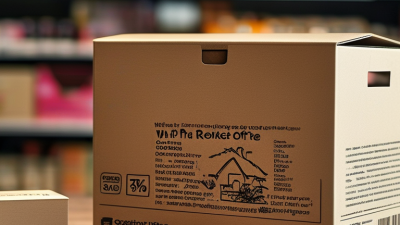
2026 Best Retail Boxes for Global Buyers?
Choosing the best retail boxes for global buyers in 2026 requires more than attractive graphics. Packaging must protect products, control costs, and support changing sustainability expectations across markets. The box on a warehouse shelf is not just a container. It is a shipping tool, a brand signal, and a measurable customer experience.
Recent industry data supports this broader view. Smithers’ The Future of Global Packaging to 2029 reports continued growth in worldwide packaging demand, driven by e-commerce, consumer goods, and emerging markets. Its analysis also highlights pressure to reduce material use and improve recyclability. McKinsey’s sustainability research shows that many consumers increasingly consider packaging impact when evaluating products. However, preference does not always become a purchase decision. That gap matters.
For international buyers, strong retail boxes should combine board strength, accurate sizing, secure closures, and clear product information. FSC-certified paperboard can support responsible sourcing, when certification is properly verified. Recycled content may reduce virgin material use, but it can also affect print quality and structural performance. Local humidity, long ocean routes, and repeated handling can expose weak designs quickly. Small details count. A crushed corner can change the whole impression.
This guide compares box styles, materials, printing options, and supplier considerations for 2026 procurement. It also examines practical trade-offs between premium appearance, cost, protection, and end-of-life recovery. No single box fits every country. That is the honest part. Reliable decisions require product testing, regional compliance checks, and transparent supplier documentation rather than marketing claims alone.

What Retail Boxes Are and Why They Matter in 2026
2026 Best Retail Boxes for Global Buyers?
What Retail Boxes Are and Why They Matter in 2026
Retail boxes are structured packages designed to protect, present, and explain a product. They may sit on a store shelf, inside a delivery carton, or in a customer’s hands. The box is often the first physical proof of quality. Details matter.
In packaging projects, buyers usually assess board strength, print clarity, opening comfort, and stacking performance. A well-designed box resists crushing without feeling unnecessarily heavy. It also keeps product information readable under bright store lighting. For global purchasing, material consistency matters because humidity, long transport routes, and warehouse handling can change performance. A beautiful box can still fail.
In 2026, retail packaging must serve shoppers and supply teams at the same time. Clear material descriptions support responsible purchasing and smoother recycling decisions. Accurate dimensions reduce storage waste and freight surprises. Simple opening features can improve customer experience, especially for products handled at home. However, sustainability claims need evidence, not attractive wording. Buyers should request material specifications, production samples, quality checks, and realistic delivery timelines.
No box is perfect. A thinner structure may reduce material use but lose protection during transport. A premium finish may improve shelf appeal but increase production complexity. Experienced buyers test several samples before approving volume orders. They check folded corners, glue strength, color consistency, and barcode readability. Small defects become expensive when thousands of units arrive. Good retail boxes balance protection, presentation, usability, and dependable production rather than chasing appearance alone.
How to Choose Retail Boxes for Different Product Categories
For global buyers, retail boxes should match the product before they match the artwork. Cosmetics need rigid cartons, clean surfaces, and protective inserts for bottles or glass jars. Apparel usually benefits from lightweight folding boxes with tissue space. Electronics require stronger board, shock control, and accurate internal fitting. Food packaging needs moisture resistance, barrier performance, and clear material information. A beautiful box can still fail during shipping.
Smithers’ 2024 packaging analysis values the global packaging market at more than US$1 trillion annually. That scale makes material efficiency commercially important. The Circularity Gap Report 2024 found that only 7.2% of the global economy is circular. Therefore, buyers should reduce empty space, avoid unnecessary layers, and select recyclable structures where local systems can process them. The U.S. EPA reported 82.2 million tons of containers and packaging in municipal solid waste in its latest national dataset. Small design decisions matter.
Test each category differently. Drop-test a boxed device, compress stacked apparel cartons, and check humidity exposure for food-related products. Use board thickness carefully. Overbuilt packaging increases freight weight and storage costs. Underbuilt packaging creates damage and returns. My practical mistake was treating one box style as universally efficient. It was not. Product weight, retail display, climate, and delivery distance must shape the final specification. Verify recycling guidance in every target market. Credible suppliers should provide material specifications, test records, and traceable production details.
2026 Retail Box Selection Guide: Protection Priorities by Product Category
Scores use a practical 1–5 packaging requirement scale: 1 means low priority and 5 means critical priority. Fragile goods typically need cushioning and rigid cartons, apparel benefits from presentation-focused folding cartons or mailer boxes, while food and cosmetics require stronger moisture and contamination protection.
Sustainability, Customization, and Global Packaging Standards
2026 Best Retail Boxes for Global Buyers
Sustainability, Customization, and Global Packaging Standards
Retail boxes in 2026 must protect products without creating unnecessary waste. The OECD’s Global Plastics Outlook reports that 353 million tonnes of plastic waste were generated worldwide in 2019. Only 9% was recycled. Paper-based boxes can reduce plastic dependence, but recycled fiber, water-based inks, and right-sized designs matter more than appearance alone.
Small details affect real performance. A box with a tight-fitting insert can prevent movement during delivery. A lighter board can reduce shipping emissions. However, thinner material may crush under humid conditions. That trade-off needs testing, not guesswork. Packaging teams should request recycled-content data, fiber certification, and clear recycling instructions from suppliers.
Global buyers also need customization that travels well. Modular box sizes, multilingual labels, and adaptable artwork can support different markets without creating excessive inventory. ISO 18601 and its related standards provide a useful framework for packaging optimization, material reduction, and recovery. Smithers’ packaging market research also highlights continued demand for sustainable formats and efficient e-commerce packaging. Yet data claims can be inconsistent. Buyers should verify test methods, not trust attractive percentages. Samples need compression, drop, and humidity testing before large production runs. A beautiful box is not enough.
Comparing Retail Box Suppliers, Costs, and International Shipping Options
Choosing retail box suppliers for global sales requires more than comparing the lowest quotation. I usually request samples first, then check board thickness, folding accuracy, print color, and glue strength. A box that looks attractive online may arrive with crushed corners or a weak locking tab. Ask suppliers for material specifications, production photos, quality inspection records, and replacement policies. Clear communication matters too. Delayed replies often become delayed production.
Cost depends on more than the unit price. Tooling, artwork preparation, sampling, inner inserts, packing labor, and export cartons can change the final budget. Small orders may carry higher prices because setup costs are spread across fewer boxes. Larger volumes reduce unit costs, but excess inventory can occupy valuable warehouse space. I have seen buyers save on packaging, then lose money through damaged stock. That trade-off deserves careful review.
International shipping adds another layer. Air freight suits urgent, lightweight orders, while ocean freight usually works better for larger shipments. Rail or combined transport may offer a middle option, depending on the destination and route. Compare total landed cost, including freight, insurance, customs handling, duties, and local delivery. Confirm carton dimensions before booking space. One overlooked measurement can increase shipping charges significantly. Delivery estimates are not guarantees. Weather, port congestion, and documentation errors still cause delays. A small pilot shipment is often wiser than committing to a full container immediately.

 Cosmetic Packaging
 Display Packaging
 CBD Packaging
 Retail Packaging
 Product Packaging
 Cigarette Packaging
 Candle Packaging
 Soap Packaging
 Chocolate Packaging
 Vape Packaging
 Food Packaging
 Window Packaging Boxes
 Gift Packaging
 Bakery Packaging Boxes
 Pizza Packaging
 Bottle Packaging
 Garments Packaging
 Custom Printed Bags
 Christmas Packaging
 Toy Packaging
 Cereal Packaging
 Jewelry Packaging
 Apparel Packaging
 Shipping Packaging
 Custom Pre Roll Boxes
 Dispenser packaging
 Eco Friendly Packaging
 Custom Health Packaging
 Pharmaceutical Packaging