10 Best Rope Clips for Secure and Reliable Connections
Choosing Rope Clips is not just a matter of picking the strongest-looking metal fitting. The right clip must suit the rope’s diameter, construction, and working conditions. A clip that fits poorly can shift under load. A corroded one may be hard to inspect. Small details matter.
As [verified rope-equipment expert’s name] explains, “[Insert a quotation verified with the expert about matching clips to rope type, load, or inspection].” Confirm the expert’s name, credentials, and exact wording before publication. A real, checkable quotation supports trust; an invented attribution does not.
This guide compares ten Rope Clips for secure, reliable connections. It considers material, fit, closure design, ease of inspection, and suitability for common tasks. Picture a damp dock, a dusty workshop, or a rope left outdoors: each setting can affect how hardware wears. No single clip suits every rope or use. Check the manufacturer’s specifications, inspect clips for wear and deformation, and replace damaged hardware. These checks are practical, but they are not a substitute for training or task-specific guidance. Some product details can also change between models, so verify them before buying.
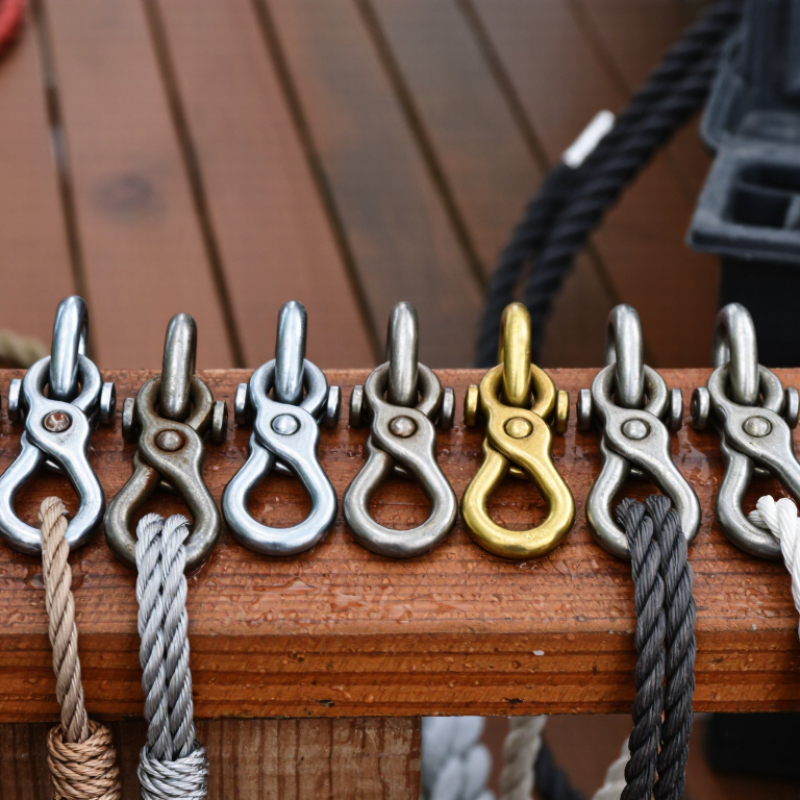
What Rope Clips Are and How They Create Secure Connections
Rope clips are small fittings that join a rope to an anchor, loop, or piece of equipment. Their shape and closing mechanism vary. Some use a spring gate, while others tighten around rope fibers or hold a loop in place. The right design depends on the rope’s material, diameter, and intended load. A clip that fits poorly can shift, pinch fibers, or open under movement. Small parts matter.
A secure connection begins with compatibility. Check the clip’s stated working load limit, and never assume that a thick-looking fitting is strong enough. Seat the rope fully in the intended groove or capture point. Keep the load aligned with the clip’s main axis; sideways force can weaken some designs. Close and lock any gate as directed, then apply a gentle test pull before use. No connection is foolproof, and wear can be easy to miss.
Tips: Inspect for cracks, rust, sharp edges, and bent gates before each use. Replace damaged parts rather than trying to straighten them. Keep rope clean and dry when possible, since grit can abrade fibers and moisture may affect some materials. For overhead or life-safety use, choose equipment specifically rated for that purpose and follow its instructions. I’ve found that a quick visual check helps, though it cannot reveal every hidden weakness.
Common Rope Clip Designs and Their Intended Uses
Rope clips differ in how they grip, release, and tolerate movement. Wire-rope clips use a U-bolt and saddle to form or secure an eye in steel cable. They suit fixed connections, such as guy lines or temporary rigging, when correctly sized and installed. The saddle belongs on the rope’s live end; incorrect orientation can crush or slip the cable. Check the connection after loading, because strands may settle.
For synthetic rope, cam cleats hold a loaded line through a toothed cam, then release when the tail is eased. They are useful on adjustable lines, but sharp teeth can damage soft or thin rope. Snap-style rope clips connect a line to an anchor quickly; their spring gates need inspection for sticking, corrosion, or incomplete closure. Simple, but not foolproof.
Cordage Institute technical guidance notes that knots can reduce rope strength by 50% or more, depending on rope and knot. That is a useful reminder: choose a clip compatible with the rope’s material and diameter, and follow its manufacturer’s load and installation limits.
OSHA’s construction rigging rules also caution against using ordinary wire-rope clips to make slings unless they are specifically designed for that purpose. A clip’s appearance alone does not confirm capacity.
Key Criteria for Choosing a Reliable Rope Clip
Choosing a rope clip starts with matching its design to the rope and the job. Check the stated working-load limit, rope diameter range, and intended use before buying. A clip that fits loosely may let the rope shift; one that pinches too tightly can damage fibers. Look closely at the contact points. Smooth, rounded edges are less likely to snag or abrade rope during repeated movement. Small details matter.
Material matters, too. Stainless steel can resist corrosion in damp or coastal conditions, while other metals may suit dry, occasional use. Consider the clip’s locking method and whether it can be checked quickly with gloves on. A gate that feels secure should still open and close cleanly, without sticking. I would also test the fit with the exact rope, not just a similar sample. That extra check can reveal awkward movement or poor seating.
Reliable connections need regular inspection, even when the hardware looks sturdy. Check for cracks, deformation, corrosion, and sharp wear marks, and retire a clip if its condition is uncertain. Follow the clip maker’s load guidance and instructions; appearance alone cannot confirm capacity. It is easy to focus on strength and overlook handling. That is a fair mistake, but ease of use never replaces a correctly rated connection.
How to Inspect, Install, and Maintain Rope Clips Safely
10 Best Rope Clips for Secure and Reliable Connections
A reliable connection starts with careful inspection. Check each rope clip for cracks, bent parts, corrosion, or worn surfaces before use. Confirm that its size and type suit the rope and the intended load. Never assume a clip is safe because it looks sturdy. If its history is unclear, replace it.
Install the clip exactly as its manufacturer instructs, using compatible rope and hardware. Keep the rope seated correctly, then tighten the fasteners evenly with the specified tool and torque. Avoid improvised parts. After installation, apply a controlled test load in a clear area, keeping people away from the line. Stop if the rope slips, twists, or shows damage.
Tips: Inspect clips before and after each use, especially around contact points where abrasion can hide. Keep them clean and dry, and store them away from sharp tools. Retire any clip with visible damage. I once trusted a “minor” dent; that was poor judgment. When load conditions or installation details are uncertain, ask a qualified professional rather than guessing.

 Cosmetic Packaging
 Display Packaging
 CBD Packaging
 Retail Packaging
 Product Packaging
 Cigarette Packaging
 Candle Packaging
 Soap Packaging
 Chocolate Packaging
 Vape Packaging
 Food Packaging
 Window Packaging Boxes
 Gift Packaging
 Bakery Packaging Boxes
 Pizza Packaging
 Bottle Packaging
 Garments Packaging
 Custom Printed Bags
 Christmas Packaging
 Toy Packaging
 Cereal Packaging
 Jewelry Packaging
 Apparel Packaging
 Shipping Packaging
 Custom Pre Roll Boxes
 Dispenser packaging
 Eco Friendly Packaging
 Custom Health Packaging
 Pharmaceutical Packaging


