Cosmetic Packaging
Display Packaging
CBD Packaging
Retail Packaging
Product Packaging
Cigarette Packaging
Candle Packaging
Soap Packaging
Chocolate Packaging
Vape Packaging
Food Packaging
Gift Packaging
Bakery Packaging Boxes
Pizza Packaging
Bottle Packaging
Garments Packaging
Custom Printed Bags
Christmas Packaging
Toy Packaging
Cereal Packaging
Jewelry Packaging
Apparel Packaging
Shipping Packaging
Custom Pre Roll Boxes
Dispenser packaging
Eco Friendly Packaging
Custom Health Packaging
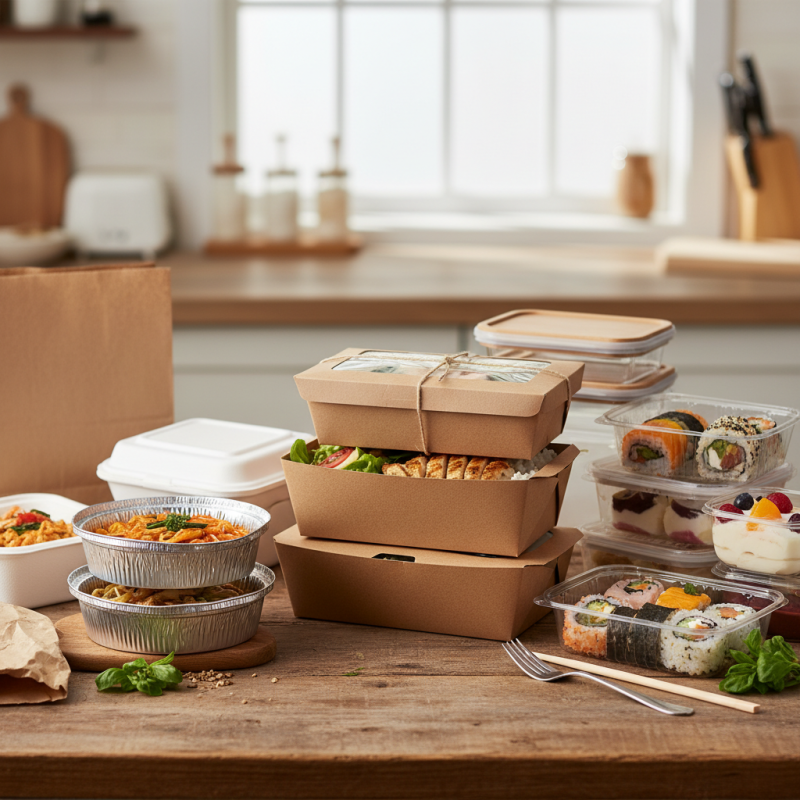
Pharmaceutical PackagingTake out boxes are essential for food storage and meal transport. They come in various shapes and materials, each tailored for specific needs. Choosing the right take out box can impact food freshness and safety.
When selecting take out boxes, consider size and insulation properties. Some boxes are designed for hot foods, while others suit cold dishes. The choice of material—plastic, aluminum, or biodegradable options—also affects sustainability.
It's important to remember that not all take out boxes are equal. Some may leak or break, leading to messy situations. Reflecting on your choices can enhance food experience while reducing waste.
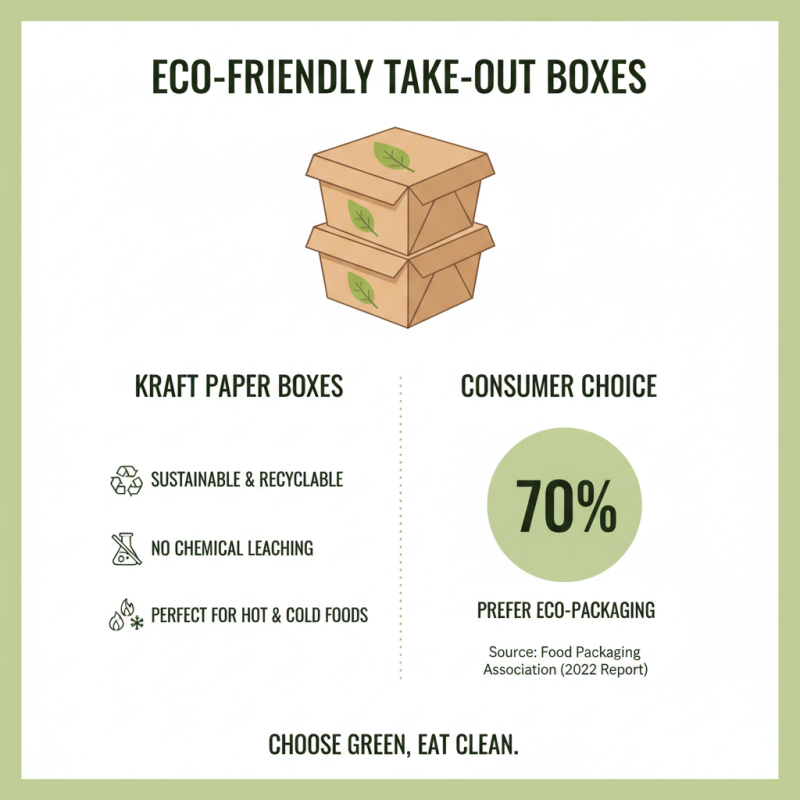
When selecting take-out boxes, several types cater to various food storage needs. Kraft paper boxes are popular for their sustainability and recyclability. These boxes do not leach chemicals. This makes them perfect for hot or cold foods. According to a 2022 report from the Food Packaging Association, over 70% of consumers prefer eco-friendly packaging options.
Plastic containers are another common choice. They are lightweight and durable, making them suitable for delivery and take-out services. However, not all plastics are microwave-safe. Some studies indicate that people may overlook proper heating instructions. This can lead to toxic chemical leaching, which is concerning for health-conscious consumers.
Foil containers are perfect for hot foods. They provide excellent heat retention and are oven-safe. However, they can be pricier compared to plastic or paper options. There's a balance to strike between cost and quality. As reported by the FoodPack Survey, 30% of consumers prioritize price, yet they may compromise on safety or sustainability aspects. Choosing the right take-out box requires careful consideration of these factors.
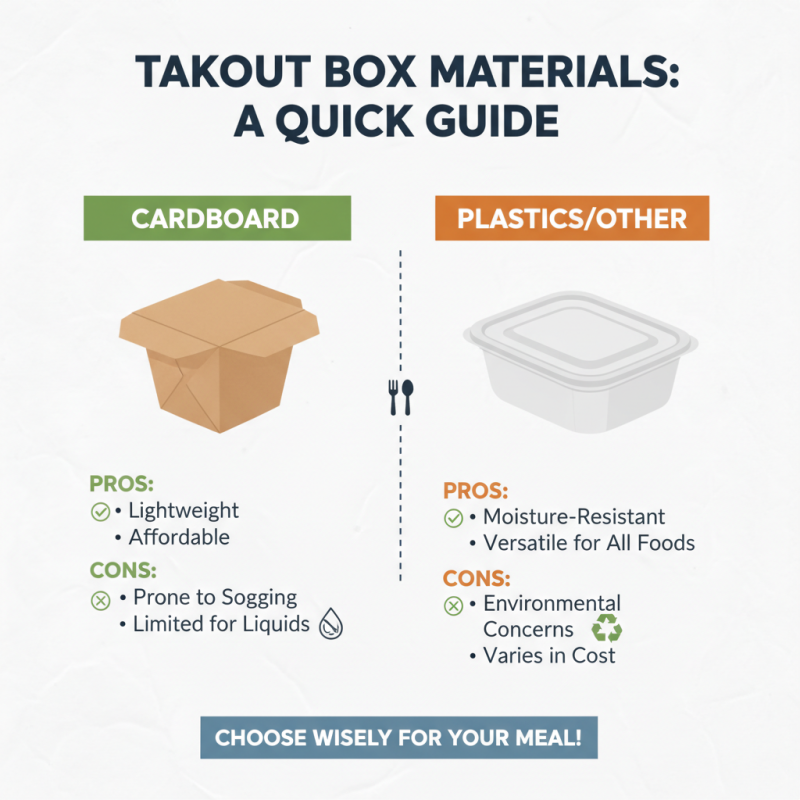
When choosing takeout boxes for food storage, understanding the materials used is crucial. Cardboard is a popular choice. It's lightweight and affordable. However, it can get soggy if exposed to moisture. This limits its usability for liquid-heavy dishes. People often overlook these factors when opting for convenience.
Plastic containers are another option. They are durable and come in various sizes. Many are microwave-safe, which is a plus. Yet, some types can leach chemicals into food. Not all plastic is created equal. It's vital to check for BPA-free labels. Some consumers might forget to consider the potential health risks.
Finally, biodegradable materials are gaining traction. These options are more eco-friendly. They break down over time, reducing waste. Still, their sturdiness can be a concern. They may not hold up well in all conditions. This can lead to messy spills. Awareness of different materials can help make better choices for storing food.
When selecting the best take-out boxes for food storage, several factors come into play. Firstly, material choice is crucial. Most take-out boxes are made from plastic, foam, or biodegradable materials. According to industry reports, 75% of consumers prefer eco-friendly packaging options. This shift indicates a growing awareness of environmental impacts. However, not all biodegradable materials are created equal. Some may still contribute to waste if not disposed of properly.
Size and shape are also essential. Take-out boxes should accommodate a range of food items. For example, a standard size of 32 oz may work well for salads, while smaller options suit appetizers. Research shows that 60% of consumers want packaging that keeps food fresh and intact. This demand highlights the importance of leak-proof and sturdy designs. Many take-out boxes fail to meet these needs. It’s critical to assess the seal and insulation quality to avoid compromised food integrity.
Lastly, consider the consumer experience. Packaging should enhance convenience. A study found that 70% of customers appreciate easy-to-open designs. Unhinged lids can cause frustration, leading to negative perceptions. Finding a balance between functionality and user-friendliness remains a challenge in the industry. Without thoughtful choices, brands may overlook critical aspects that contribute to customer satisfaction.
When it comes to food storage, choosing the right take-out boxes is essential. Proper storage maintains the quality and safety of meals. According to industry studies, improper storage can lead to foodborne illnesses in over 48 million Americans each year. This is a staggering reminder of how crucial our food safety practices are.
Tip: Always cool foods before sealing. Hot foods can create steam, leading to sogginess. Use shallow containers to help chill quickly.
Ensure your take-out boxes are airtight. This prevents air infiltration, which can spoil food. Reports show that airtight containers extend food freshness by up to 70%. Pay attention to the materials used in these boxes as well. Not all plastics are safe for heating or can withstand extreme temperatures.
Tip: Label your containers. Include the date and contents. This can prevent confusion and wasted food.
One area needing improvement is portion sizes. Many take-out containers are larger than necessary. This can lead to overeating and food waste. Evaluate portion sizes before packing them and strive for balance. Utilizing smaller portions can help keep meals fresh and minimize waste.
| Box Type | Material | Best For | Capacity | Reusability |
|---|---|---|---|---|
| Aluminum Foil Container | Aluminum | Hot Foods | 1-2 servings | No |
| Plastic Take Out Box | Plastic | Cold Foods | 1-3 servings | Yes |
| Biodegradable Box | Paper | Fried Foods | 2 servings | No |
| Glass Container | Glass | Microwavable Foods | 1-4 servings | Yes |
| Styrofoam Box | Styrofoam | Take Out Meals | 1-2 servings | No |
When choosing takeout boxes, eco-friendly options stand out. These containers are often made from biodegradable materials. For instance, you might see options like cornstarch or bamboo. Both materials break down naturally over time, reducing landfill waste.
Compostable boxes are popular. They offer a great alternative to traditional plastic. However, some may struggle with their durability. Storing hot foods can be challenging. It’s important to ensure that these boxes can withstand temperature changes. Additionally, not all eco-friendly options are available everywhere. Availability can limit choices for consumers.
If we want to reduce our environmental footprint, we must think critically. Are we prioritizing convenience over sustainability? It’s worth considering the long-term effects of our choices. Each small decision contributes to a larger impact. Engaging with the options available leads to better choices for our planet.
© 2007 - 2025 The Custom Packaging. All right reserved.