Cosmetic Packaging
Display Packaging
CBD Packaging
Retail Packaging
Product Packaging
Cigarette Packaging
Candle Packaging
Soap Packaging
Chocolate Packaging
Vape Packaging
Food Packaging
Gift Packaging
Bakery Packaging Boxes
Pizza Packaging
Bottle Packaging
Garments Packaging
Custom Printed Bags
Christmas Packaging
Toy Packaging
Cereal Packaging
Jewelry Packaging
Apparel Packaging
Shipping Packaging
Custom Pre Roll Boxes
Dispenser packaging
Eco Friendly Packaging
Custom Health Packaging
Pharmaceutical PackagingChoosing the best rigid boxes begins with understanding your product, customer, and delivery conditions. The right box should protect the item and strengthen its perceived value. It should also fit your production budget and packaging workflow.
In practice, examine the product’s weight, dimensions, fragility, and surface finish. A box that looks impressive may still fail during transport. Test samples with drop, compression, and humidity checks before approving a large order. Small details matter. A loose insert can let a glass bottle move inside the package. A tight closure can damage printed edges.
Start with the board thickness, wrapping paper, magnetic closure, and interior structure. Ask suppliers about material consistency, color control, and quality inspection procedures. Request physical samples, not only digital images. Photos cannot reveal weak corners or uneven folds. Confirm whether the manufacturer can maintain the same finish across repeat orders. This step is often overlooked.
Then compare suppliers through documented experience, clear specifications, and responsive communication. A reliable partner should explain production limits and suggest practical improvements. Watch the details. Packaging should arrive clean, square, and free from visible glue marks. Consider recyclable materials where they suit the product and local disposal systems. A lower-impact choice is valuable, but it should not compromise protection.
The final decision should balance appearance, durability, usability, and total cost. Still, perfection is rarely realistic. A slightly simpler design may perform better and reduce waste. That tradeoff deserves careful thought.
How to Choose the Best Rigid Boxes for Your Products
Rigid boxes are built from thick paperboard and retain their shape during handling. Their structure makes them suitable for premium products, gift sets, electronics, cosmetics, jewelry, and specialty foods. Choosing the right type depends on the product’s weight, opening experience, and storage needs.
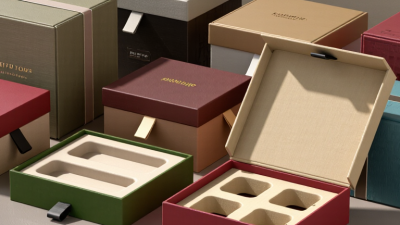
A two-piece rigid box uses a separate lid and base. It works well for watches, candles, and carefully arranged gift collections. A magnetic rigid box offers a smooth opening and stronger presentation. It suits high-value accessories, skincare sets, and promotional kits. Drawer-style boxes slide open like a small cabinet. They are useful for compact products and repeated access. Folding rigid boxes save shipping space, but they may feel slightly less substantial. That trade-off is easy to overlook.
Tips: Measure the product with its insert before ordering. Leave enough clearance for protective materials, but avoid excessive empty space. Test the box with real handling, including stacking, opening, and transport. Soft-touch paper can improve grip, while textured paper can hide small scuffs. However, coatings may affect recyclability and cost. Ask the packaging supplier for material details and sample testing. Do not judge strength by appearance alone. A beautiful lid can still fit poorly. My practical preference is to test three prototypes, although smaller projects may only allow one. The final choice should balance product protection, shelf impact, customer use, and realistic production limits.
A rigid box should protect the product before it creates a premium impression. Begin by identifying likely risks during storage, handling, and delivery. Will the item face compression, vibration, moisture, or sudden drops? A glass container may need a fitted insert and reinforced corners. A heavy product may require stronger board and a stable base.
I have found that attractive wrapping cannot compensate for internal movement. The product should stay centered when the box is gently shaken.
Measure the product at its widest, tallest, and deepest points. Then allow practical clearance for inserts, protective layers, and easy removal. Excess space can cause movement and increase material waste. Too little space can create pressure on delicate surfaces.
Test the lid fit with one hand. It should close evenly without forcing the product downward. Small details matter here. A slightly loose lid may become a serious problem during transport.
Structural design also affects usability and production consistency. Consider wall thickness, fold lines, hinges, closures, and the weight of added components. A deep box may look secure but become awkward to lift.
A divided interior can improve organization, although poorly placed partitions may scratch the product.
In testing, inspect corners, seams, and insert alignment after repeated opening. One early sample may look perfect, yet later batches can shift slightly. That gap deserves another review before final approval.
Choosing a rigid box starts with the product’s weight, shape, and handling conditions. In packaging projects, I compare board thickness before discussing decoration. A dense greyboard structure protects heavier items during stacking and delivery. Recycled content can support sustainability goals, but its surface may require careful wrapping. Paper texture, color, and printing results can vary between production batches. That detail is easy to overlook.
Finishes should support the product rather than hide weak construction. A soft-touch coating creates a smooth, quiet feel in the hand. Uncoated paper gives a warmer and more natural impression. Foil stamping adds contrast, while embossing creates a physical point of attention. Use these effects selectively. Too many finishes can make the box feel confused. I once approved a beautiful sample with excessive gloss, then noticed fingerprints appeared immediately. It needed more practical testing.
Custom features should improve opening, protection, or storage. A ribbon pull helps users lift a tight inner tray. Molded inserts can prevent movement, but their fit must match real product tolerances. Magnetic closures feel refined, yet they may increase cost and complicate shipping tests. Check the box with the actual product inside. Test drops, compression, repeated opening, and humidity exposure. A prototype that looks perfect may still crease at the corners. Small adjustments to the lid depth, insert material, or hinge position often make the difference.
How to Choose the Best Rigid Boxes for Your Products
Supplier comparison should begin with production evidence, not attractive quotations. Ask for material samples, assembly photos, and a physical prototype. Start with a sample. Check corner alignment, lid fit, surface smoothness, and the box’s resistance to pressure. Details matter. A reliable supplier should explain board thickness, wrapping materials, printing limits, and quality tolerances clearly. Vague answers may indicate weak process control.
Production quality often depends on small decisions. A tight lid can damage delicate products, while a loose lid may feel inexpensive. Inspect the inner tray, magnet placement, hinges, and edge finishing. Request a pre-production sample before approving mass production. I have seen specifications look perfect on paper, yet the finished box showed uneven corners. That gap matters. Allow time for corrections, especially when the design includes foil, embossing, or complex inserts.
Order cost requires more than comparing unit prices. Include sampling fees, tooling, setup charges, packaging, freight, storage, and possible inspection costs. A higher unit price may still produce a lower landed cost when defects and delays are reduced. Confirm the minimum order quantity and payment schedule in writing. Ask how replacements are handled if cartons arrive damaged. Cost estimates can change after artwork approval, so keep a contingency budget. This is not always comfortable. However, transparent calculations make supplier decisions more dependable. A practical evaluation should balance appearance, repeatable quality, communication, and total order expense.
Indicative supplier comparison based on common rigid-box manufacturing specifications, typical production conditions, and volume-based pricing in USD.
| Supplier Profile | Best Fit | Typical MOQ | Standard Production Lead Time | Board Thickness | Common Materials | Print and Finishing Options | Dimensional Tolerance | Color Consistency | Quality Control Coverage | Estimated Unit Cost at 1,000 Units | Estimated Unit Cost at 5,000 Units | Estimated Unit Cost at 10,000 Units | Shipping Readiness | Overall Cost Level |
|---|---|---|---|---|---|---|---|---|---|---|---|---|---|---|
| Small-batch specialist | Premium launches, limited editions, and product testing | 100–300 units | 15–25 business days | 1.5–2.5 mm greyboard | Recycled greyboard, coated paper, textured paper | Offset printing, foil stamping, embossing, spot UV, magnetic closure | ±1.5 mm | Moderate to good | Visual inspection and basic size checks; limited automated testing | US$3.80–6.50 | US$2.90–5.20 | US$2.50–4.60 | Usually flat-packed or partially assembled | High |
| Mid-volume packaging manufacturer | Growing brands requiring consistent quality and flexible customization | 500–1,000 units | 20–30 business days | 1.5–3.0 mm greyboard | Recycled greyboard, kraft paper, art paper, specialty wrapping paper | CMYK printing, Pantone matching, foil, embossing, debossing, ribbon pull tabs | ±1.0 mm | Good | Incoming-material checks, color proofing, in-process inspection, final sampling | US$2.60–4.80 | US$1.90–3.60 | US$1.60–3.10 | Available assembled or flat-packed | Medium |
| High-volume automated factory | Large retail programs and standardized packaging designs | 3,000–5,000 units | 25–40 business days | 1.5–2.5 mm greyboard | Recycled greyboard, coated paper, kraft-based wrapping materials | Offset printing, automated wrapping, foil stamping, selective UV, die-cut inserts | ±0.8 mm | Very good | Material testing, automated process controls, statistical sampling, carton-drop testing | US$1.90–3.60 | US$1.25–2.60 | US$1.05–2.20 | Optimized for palletized shipments | Low |
| Premium presentation-box producer | Luxury cosmetics, jewelry, electronics, and high-value gift products | 1,000–2,000 units | 30–45 business days | 2.0–3.5 mm greyboard or rigid composite board | High-density greyboard, microfiber lining, molded pulp, premium paper coverings | Multi-level construction, fabric lining, hidden magnets, edge painting, foil, soft-touch coating | ±0.7 mm | Very good | Detailed inspection plans, assembly checks, surface inspection, functional closure testing | US$5.50–12.00 | US$4.20–9.00 | US$3.70–7.80 | Normally individually protected and assembled | High |
| Eco-focused packaging manufacturer | Products requiring recycled, plastic-reduced, or recyclable packaging | 1,000–3,000 units | 25–40 business days | 1.5–3.0 mm recycled greyboard | Recycled paper, FSC-certified paper options, molded pulp, water-based coatings | Water-based inks, embossing, paper labels, recyclable paper inserts, plastic-free assembly | ±1.2 mm | Good | Board composition checks, moisture inspection, print inspection, packaging-performance tests | US$2.80–5.20 | US$2.10–3.90 | US$1.80–3.40 | Flat-packed preferred to reduce transport volume | Medium |
| Domestic quick-turn producer | Urgent replenishment orders and buyers seeking shorter transport times | 250–500 units | 10–20 business days | 1.5–2.5 mm greyboard | Greyboard, kraft paper, art paper, standard foam or paperboard inserts | Digital printing, standard foil, basic embossing, paper wraps | ±1.5 mm | Moderate to good | Visual inspection, barcode checks, basic assembly and shipment inspection | US$4.50–8.00 | US$3.50–6.20 | US$3.00–5.50 | Fast domestic dispatch; lower transit risk | High |
Cost note: The estimates represent typical manufacturing prices for standard rigid boxes measuring approximately 200 × 150 × 60 mm, excluding tooling, samples, taxes, freight, import duties, special inserts, and unusually complex structures. Actual quotations vary according to dimensions, board grade, paper coverage, finishing, order quantity, packaging method, and delivery location.
How to Choose the Best Rigid Boxes for Your Products
Checking Sustainability, Branding, and Packaging Compliance
A rigid box should protect the product without creating unnecessary waste. The OECD’s Global Plastics Outlook reports that only 9% of plastic waste was recycled globally in 2019. Therefore, choose recyclable paperboard, minimal plastic parts, and easily removable inserts. Measure before decorating. A heavy box may feel premium, but it also increases material use and shipping emissions.
Branding still matters. Use the box structure, texture, and opening experience to express product value. Water-based inks and paper-based finishes can support a cleaner visual identity. However, sustainability claims require evidence. Ask suppliers for recycled-content records, fiber certification, coating details, and laboratory test results. A recycled board claim without documentation is weak. It may also confuse customers.
Compliance needs equal attention. Eurostat reported 186.5 kilograms of packaging waste per person in the European Union in 2022. This pressure is shaping stricter packaging rules, including material labeling, recyclability, and extended producer responsibility requirements. The European Union’s Packaging and Packaging Waste Regulation also pushes companies toward less packaging and better material recovery. Check local rules before production, especially for inks, adhesives, magnets, and mixed materials. A box can pass a visual review and still fail a technical assessment. That is an uncomfortable possibility, but it deserves a place in the design process.
A practical 100-point scorecard for comparing rigid box options across sustainability, branding, and packaging compliance.
Sustainability receives the highest weighting because material efficiency, recyclability, and responsible fiber sourcing directly affect environmental performance. Branding evaluates print quality, structure, finish, and shelf presentation. Compliance covers labeling, material declarations, recyclability claims, and applicable packaging regulations. These percentages are a planning framework for product teams, not market-share statistics.
© 2007 - 2025 The Custom Packaging. All right reserved.