How to Choose Personalized Boxes for Your Business?

Choosing the right personalized boxes can shape how customers remember your business. Packaging protects products, but it also communicates care, quality, and brand character. A sturdy mailer with a clean logo may feel more trustworthy than a cheaper box with excessive printing.

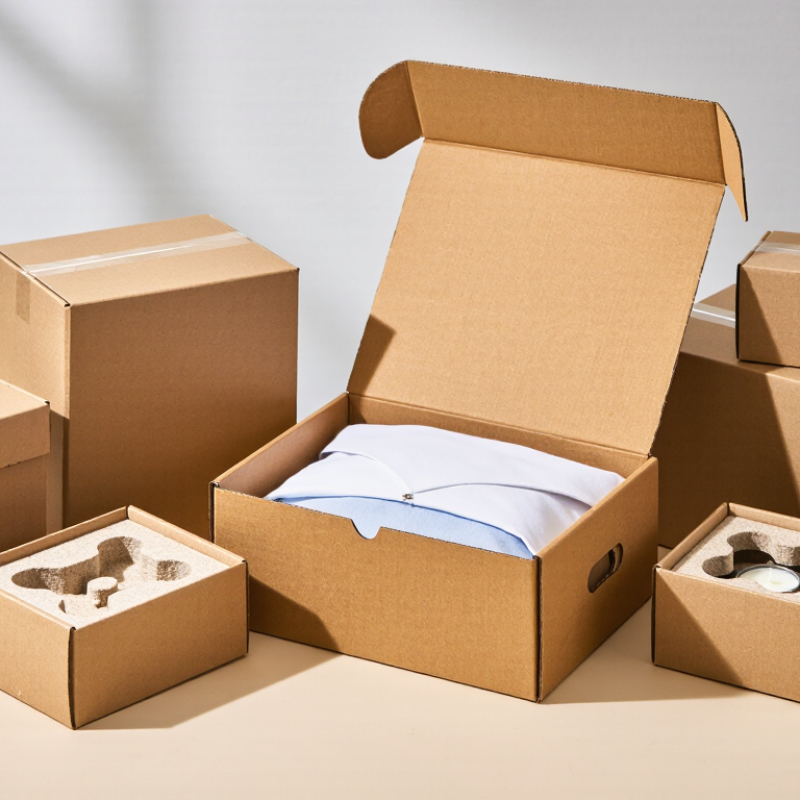
My experience with packaging projects shows that appearance should not lead every decision. Product weight, dimensions, shipping distance, and storage conditions matter just as much. A candle may need molded inserts, while a soft clothing item may only require a fitted carton. Measure the product carefully. Small errors create costly movement inside the box.

Material choice deserves equal attention. Recyclable cardboard, water-based inks, and minimal plastic can support responsible branding. However, sustainability claims should match supplier documentation and verified material details. Green language without evidence can damage trust. It is worth asking for samples, certifications, and clear production specifications before placing a large order.

Budget planning also needs realism. Custom dies, finishes, low minimum quantities, and shipping fees can change the final price. Request a complete quotation. Then compare durability, print quality, and lead time rather than choosing the lowest number. A box that arrives crushed is not a bargain.

Test the packaging in real conditions. Send a filled sample through a normal delivery route and inspect corners, closures, and internal movement. I once underestimated how a glossy coating affected grip during packing. That mistake was manageable, but avoidable. Small trials reveal practical problems early.

The best personalized boxes balance protection, presentation, cost, and responsible sourcing. Your ideal choice may not be the most dramatic one. It should fit your product, your customers, and the promises your business can honestly keep.

How to Choose Personalized Boxes for Your Business?

Define Your Product, Audience, and Packaging Goals

How to Choose Personalized Boxes for Your Business?

Define the product before choosing the box. Measure its length, width, height, weight, and fragile points. A glass jar needs cushioning, while a folded shirt may need less structure. Test the product after repeated drops and movement. A beautiful box that damages the contents is a poor investment. Packaging audits often reveal excessive empty space, especially when teams design around appearance first.

Know your audience and their buying context. Online shoppers may value easy opening, clean presentation, and compact delivery. Retail customers may notice shelf visibility and handling strength. According to the OECD’s Global Plastics Outlook, packaging represents about 40% of global plastic use. Material choices therefore affect both customer perception and environmental impact. Recycled paperboard, water-based inks, and right-sized formats can support clearer sustainability goals. Avoid vague claims. Ask suppliers for material documentation and testing records.

Set practical packaging goals before requesting custom samples. Decide whether the priority is protection, unboxing appeal, shipping efficiency, or repeat-purchase recognition. You may need to rank them. The first prototype may look perfect but cost too much or pack slowly. That is normal. Rework it. Smithers projects the global packaging market will exceed 1 trillion US dollars by 2028, increasing pressure for efficient, measurable choices. Track damage rates, packing time, material weight, and customer feedback. A smaller logo may improve the box. A simpler structure may perform better.

Choose the Right Box Type, Size, and Structural Design

Choosing a personalized box starts with the product, not the artwork. Select a mailer for lightweight items and a rigid box for premium goods. Corrugated cartons suit heavier products and longer shipping routes. Smithers’ 2024 market analysis forecasts continued growth in e-commerce packaging, increasing pressure on brands to improve protection and efficiency.

Measure the product after adding inserts, wrapping, or protective sleeves. A box with excessive empty space may increase movement, damage, and shipping costs. A tight box may crush corners or complicate packing. Choose a structure with suitable board strength, closure security, and opening experience. ISTA testing procedures can help evaluate vibration, drops, compression, and transport risks. I would not trust a beautiful prototype alone. Real handling exposes weak folds quickly.

Tips: Test three sizes with actual products. Record packing time and damaged surfaces. Use customer feedback before final production. McKinsey’s 2023 global packaging research found that 60–70% of consumers may pay more for sustainable packaging, depending on the market. Still, sustainability should not mean fragile construction. Reduce unnecessary layers, select recyclable materials where local systems support them, and avoid oversized designs. A smaller box often feels more intentional. Sometimes, it still needs improvement.

Select Materials, Printing Methods, and Custom Features

Material choice should follow the product’s actual journey, not only its appearance. Light apparel may suit recycled paperboard, while heavy goods need stronger corrugated construction. For moisture-prone items, consider coated stock or a tested barrier layer. Ask for samples. Press the corners, inspect the folds, and check whether the box stays square after packing. In my packaging trials, attractive thin board sometimes failed during shipping. That mistake changed my approach.

Printing methods should match quantity, artwork, and budget. Digital printing suits short runs, seasonal designs, and personalized names. Offset printing usually provides consistent color across larger quantities. Flexographic printing can work well for simple graphics on corrugated surfaces. Request a physical proof before approving production. Screens can hide dull colors, weak contrast, or small text that becomes unreadable after printing. A matte finish feels refined, but it may show scuffs more easily. Gloss can protect the surface, yet it may reduce recyclability depending on the coating.

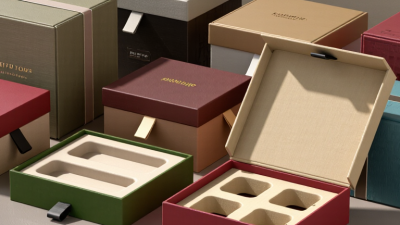
Custom features should solve a practical problem. Die-cut handles improve carrying, while inserts prevent movement inside the box. Windows display products clearly but may complicate recycling. Magnetic closures feel premium, though they add material and assembly time. Keep the structure simple when possible. Less can work better. Test a packed sample with a drop test, stacking test, and opening trial. Check dimensions, closure strength, print rub resistance, and labeling accuracy. I still find small fit issues late in development, so independent inspection remains worthwhile. Clear specifications and documented test results make supplier discussions more reliable.

Balance Personalization, Cost, Sustainability, and Protection

How to Choose Personalized Boxes for Your Business?

Personalized boxes should balance appearance with practical performance. Custom dimensions, printed graphics, and special inserts can make products feel memorable. However, each feature affects production cost, packing time, and shipping weight. In practice, begin with the product’s measurements and handling risks. A 30 x 20 centimeter box may suit a small item, but wasted space increases material use and postage. Ask for a physical sample. It reveals problems that digital designs often hide.

Cost control requires more than comparing unit prices. Include setup fees, minimum order quantities, storage, labor, and replacement costs. My first estimate was too optimistic. Custom cutting and low-volume printing raised the final price considerably. For smaller orders, a simple structure with one strong design may work better. Personalization can come from color, a message panel, or a carefully placed label.

Sustainability should support protection, not weaken it. Choose right-sized boxes, recyclable materials, and water-based printing when suitable. Request material specifications from the packaging supplier. Recycled board can be responsible, but its strength and moisture resistance still need checking. Protection remains essential. Use dividers for fragile products and avoid unnecessary layers. Run a basic drop test with a packed sample. If a corner collapses, customer trust may follow. I still rethink attractive packaging that creates excessive waste. A beautiful box is not automatically a responsible one.

Review Suppliers, Samples, Quality Standards, and Delivery Plans

Choosing personalized boxes starts with reviewing suppliers, not browsing attractive templates. Request their material specifications, factory certifications, production photos, and recent quality records. A reliable supplier should explain paper grade, board thickness, printing tolerance, adhesive type, and inspection procedures. In my experience, vague answers usually create expensive surprises later. Ask for a physical sample with your actual artwork. Digital mockups often hide color shifts, weak corners, or difficult assembly.

Use recognized testing references for your product and shipping route. ISTA 3A testing can help evaluate packaged products under parcel-delivery conditions. ASTM D4169 is another useful framework for distribution performance. Samples should face stacking, vibration, compression, and drop checks. Test the finished box, including inserts and labels. No sampling plan is perfect. I still miss small fit problems when reviewing samples too quickly. Leave the box assembled overnight and inspect crushed edges the next morning.

Sustainability also affects quality decisions. The U.S. Environmental Protection Agency reported 82.2 million tons of containers and packaging in municipal waste during 2018. The IBM Institute for Business Value found that 57% of surveyed consumers were willing to change purchasing habits to reduce environmental impact in 2020. Ask suppliers for recycled-content evidence and realistic disposal guidance. Confirm minimum order quantities, proofing time, production capacity, shipping method, and customs responsibilities in writing. Add buffer time for inspection and unexpected rework. A delivery promise without milestones is only a guess.