How to Choose the Right Electric MCCB for Your Needs?
Choosing the right Electric MCCB (Molded Case Circuit Breaker) is crucial for electrical safety and efficiency. According to a recent industry report by MarketsandMarkets, the global MCCB market is projected to reach USD 12.5 billion by 2026, growing at a CAGR of 7.5%. This growth stems from increased demand in sectors like construction and manufacturing. Selecting the appropriate Electric MCCB can prevent energy loss and potential hazards.
Electric MCCBs protect electrical circuits from overload and short circuits. However, not all MCCBs are created equal. Different applications require varying specifications. For instance, a commercial facility may need a different MCCB than a residential home. It's essential to consider the voltage ratings, interrupting capacity, and ambient conditions. Furthermore, technology is evolving. Smart MCCBs offer enhanced monitoring features but can complicate choices for many.
Navigating these options is not always straightforward. Users may feel overwhelmed by the technical details. A poor choice can lead to malfunctions or safety risks. Understanding the specific needs of your electrical system is paramount. Engaging with a knowledgeable supplier or industry expert can help clarify these challenges and ensure the right Electric MCCB is selected for optimal performance.
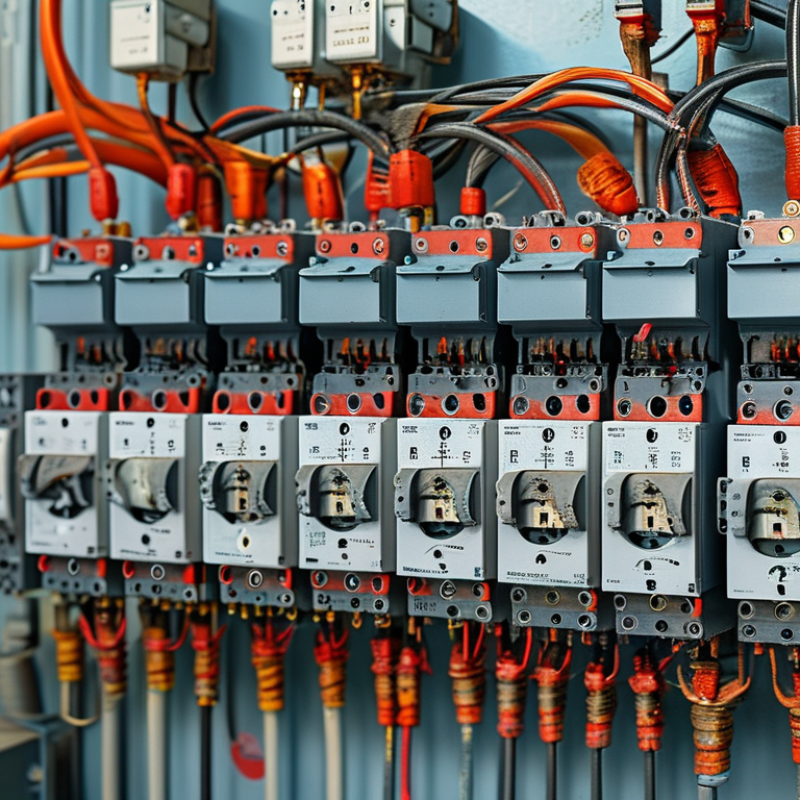
Understanding Electric MCCBs and Their Importance in Electrical Systems
Electric Molded Case Circuit Breakers (MCCBs) play a crucial role in electrical systems. They protect circuits from overload and short circuits. Understanding their function is essential for safe electrical operation. An MCCB disconnects power automatically when it detects a fault. This prevents damage to wiring and appliances.
When selecting an MCCB, consider the current rating and voltage requirements. It’s vital to match these to your specific application. Check the device's interrupting capacity to ensure it can handle potential faults. Oversizing or undersizing an MCCB can lead to inefficiencies or failures.
Tips: Always consult with a professional for installation advice. Regular maintenance checks are crucial for optimal performance. Understand the environment where the MCCB will operate. Extreme temperatures or humidity can affect its efficiency. Reflect on past installations to identify areas for improvement. This knowledge will enhance your future choices in circuit protection.
Key Factors to Consider When Selecting an Electric MCCB
When selecting an electric MCCB (Molded Case Circuit Breaker), understanding your specific needs is essential. The first key factor to consider is the rated current. This is the maximum current the breaker can handle without tripping. A breaker rated too low will trip frequently, causing unnecessary downtime. Conversely, one rated too high may not protect your system adequately.
Next, evaluate the voltage rating. Ensure the MCCB matches your system's voltage to prevent failures. Protection features are also critical. Many MCCBs offer thermal and magnetic trip settings, which respond to different overload conditions. Understanding these features can be complex. It is important to assess your operational environment, as factors like temperature and humidity can impact performance.
Lastly, consider the size and installation requirements of the MCCB. Space limitations may force you to choose a more compact model. Remember that while high performance is crucial, ease of maintenance and clarity of labeling are often overlooked. Regular reviews and adjustments to your choices will help you adapt to changing needs. This reflective process ensures you make the best decisions over time.
Types of Electric MCCBs and Their Applications
When selecting an electric Molded Case Circuit Breaker (MCCB), understanding the types and their specific applications is crucial. MCCBs are essential for protecting electrical circuits from overloads and short circuits. Based on industry reports, about 30% of electrical failures can be traced back to inadequate protection devices. This highlights the need for proper selection.
There are a few primary types of MCCBs: thermal-magnetic, electronic, and dual function. Thermal-magnetic MCCBs respond to overloads and short circuits through both thermal and magnetic means, making them versatile for various applications. They are commonly used in commercial buildings due to their reliability.
Electronic MCCBs offer more precise protection settings and can monitor current fluctuations, making them suitable for sensitive equipment. Dual-function MCCBs combine the best of both worlds but can be more complex and may require expert installation.
In industries such as manufacturing, where equipment uptime is critical, the choice of MCCB significantly impacts operations. A report by the National Electrical Manufacturers Association indicates that improper circuit protection can lead to equipment damage, resulting in downtime costs upwards of $250,000 per hour. Therefore, it's important to evaluate the specific requirements of your application before making a decision. A thorough understanding of these types can help in mitigating risks associated with electrical failures.
Evaluating the Technical Specifications of MCCBs
When selecting an electrical MCCB (Molded Case Circuit Breaker), evaluating technical specifications is crucial. It's important to check the breaking capacity. Industry standards suggest a minimum breaking capacity of 10 kA for most applications. This ensures that the MCCB can safely interrupt fault currents. A device with a higher breaking capacity provides greater reliability.
Another key specification is the current rating. MCCBs come in various ratings. Choosing one that closely matches your application’s requirements is essential. An oversized MCCB may not trip during faults. Conversely, an undersized one can lead to nuisance tripping. A report by the IEC highlights that improperly sized MCCBs account for 15% of electrical faults.
Thermal and magnetic trip settings are also vital considerations. Thermal trips respond to overloads. Magnetic trips react to short circuits. Some devices offer adjustable settings for better customization. This adaptability can enhance safety. However, not understanding these adjustments may lead to poor performance. Regular training and consultation with experts can mitigate these risks. Educating yourself on these specifications ultimately leads to better equipment choices.
Best Practices for Installation and Maintenance of MCCBs
When it comes to the installation and maintenance of Molded Case Circuit Breakers (MCCBs), attention to detail is crucial. Proper installation begins with a thorough understanding of the specifications. Ensure the MCCB is rated for the load it will protect. This helps prevent overheating and potential failure. Pay attention to the torque specifications when tightening connections. Over-tightening can damage the components, while under-tightening can lead to loose connections.
Routine maintenance should not be overlooked. Regular inspections are essential. Check for signs of wear or corrosion. This can include looking at the terminals and connections. Ensure there are no loose wires. Conduct thermal imaging to find hotspots that could indicate issues. Keeping the MCCB clean is also important. Dirt and dust can cause overheating, leading to trip failures.
Despite careful planning, issues might arise. Be prepared to troubleshoot. Document any irregularities during inspections. This can help identify patterns over time. If a problem occurs, don’t rush to replace the MCCB. Investigate further before deciding. Understanding the full context can save both time and money. Your approach to maintenance can significantly impact the longevity and reliability of your MCCB.
How to Choose the Right Electric MCCB for Your Needs? - Best Practices for Installation and Maintenance of MCCBs
| Parameter | Description | Importance |
| Rated Current (In) | The maximum continuous current the MCCB can carry. | Critical for ensuring the MCCB does not trip under normal load. |
| Breaking Capacity (Icu) | The maximum fault current the MCCB can safely interrupt. | Essential for protection against short circuits. |
| Voltage Rating (Ue) | The maximum voltage the MCCB can handle. | Determines where the MCCB can be used safely. |
| Type of MCCB | Choose between thermal-magnetic or electronic types based on requirements. | Affects tripping characteristics and application suitability. |
| Installation Environment | Consider temperature, humidity, and dust levels. | Ensures longevity and proper functioning of the MCCB. |
| Mounting Type | Select between panel-mount or din-rail mount based on setup. | Impacts ease of installation and maintenance. |
| Maintenance Frequency | Regular checks to ensure reliability and performance. | Prevents unexpected failures and prolonged downtime. |

 Cosmetic Packaging
 Display Packaging
 CBD Packaging
 Retail Packaging
 Product Packaging
 Cigarette Packaging
 Candle Packaging
 Soap Packaging
 Chocolate Packaging
 Vape Packaging
 Food Packaging
 Window Packaging Boxes
 Gift Packaging
 Bakery Packaging Boxes
 Pizza Packaging
 Bottle Packaging
 Garments Packaging
 Custom Printed Bags
 Christmas Packaging
 Toy Packaging
 Cereal Packaging
 Jewelry Packaging
 Apparel Packaging
 Shipping Packaging
 Custom Pre Roll Boxes
 Dispenser packaging
 Eco Friendly Packaging
 Custom Health Packaging
 Pharmaceutical Packaging


