How to Choose the Right Rigid Boxes for Your Packaging Needs?

Choosing the right rigid boxes for your packaging needs is crucial for brand success. According to a recent industry report by Smithers Pira, the rigid box market is expected to reach $12 billion by 2025, reflecting a growing demand for high-quality packaging solutions. Expert packaging consultant, John Parker, emphasizes, “Rigid boxes elevate product presentation and protect contents effectively.”

The design and structure of rigid boxes can significantly impact customer perception. In retail, packaging acts as a silent salesperson. Poor packaging choices can lead to lost sales. It’s essential to consider factors such as material, size, and application when making your decision.

Additionally, brand identity must shine through your packaging. Rigid boxes offer customization options, making them suitable for various products. However, organizations often overlook the importance of sustainability. Balancing aesthetics and environmental impact is a challenge in today’s market. Finding the right rigid box can be complex, but it is worth the effort.

How to Choose the Right Rigid Boxes for Your Packaging Needs?

Understanding Rigid Boxes and Their Benefits for Packaging

Understanding rigid boxes is essential for effective packaging. These sturdy containers are made from thick paperboard, offering excellent protection for products. They are perfect for luxury items, gifts, and delicate goods. Rigid boxes can enhance the overall presentation of your product, making it more appealing to customers. Their structure ensures that items remain secure during transit.

When choosing rigid boxes, consider the size and shape of your product. Custom sizes can fit unique items perfectly. Think about the material quality as well. A high-quality finish can improve the unboxing experience. Design is also crucial. Eye-catching graphics can attract customers. However, avoid cluttered designs. Simple and elegant can often be more effective.

Tip: Measure your product accurately. This helps in selecting the right dimensions.

Another tip is to test different materials. Some materials are sturdier than others. Consider the sustainability factor too. Eco-friendly options can enhance your brand image. Remember that the right rigid box can significantly impact your packaging experience, leading to better customer satisfaction.

Factors to Consider When Choosing Rigid Boxes for Your Products

Choosing the right rigid boxes involves several key factors. First, consider the size and shape of your products. Ensure the box fits snugly. A loose fit can lead to damage during shipping. Think about the weight as well; heavy items require sturdier boxes. It is essential not to overlook this detail.

Material is another important aspect. Rigid boxes are often made from paperboard or chipboard. The thickness can vary widely. Thicker materials provide better protection but can increase costs. Packaging design also plays a crucial role. A visually appealing box can enhance brand image. Make sure your design is relevant and suitable for your target market.

Assess your budget carefully. Rigid boxes can be more expensive than regular ones. Calculate the cost per unit based on your expected sales volume. This will make a significant difference in your overall budget. It’s easy to get caught up in aesthetics. Yet, functionality and durability must always come first. Remember, the perfect box is a balance of looks and practicality.

Different Materials Used in Rigid Box Manufacturing

When selecting rigid boxes, the material plays a crucial role in the overall quality and functionality. Common materials include paperboard, cardboard, and specialty papers. Each type has unique attributes catering to different packaging needs. For example, paperboard is lightweight and cost-effective, making it ideal for bulk production. However, it may not provide the best durability for heavy items.

Cardboard, on the other hand, offers sturdiness and protection. It is often used for premium products, ensuring they arrive safely to the consumer. Yet, this robust option can be heavier and may increase shipping costs. Additionally, specialty materials like recycled paper or textured finishes add an aesthetic appeal. They stand out but might come at a higher price point.

While aesthetics and functionality are critical, environmental factors should not be ignored. Consumers increasingly demand sustainable options. It can be challenging to balance cost, environmental responsibility, and visual appeal. Sometimes, choosing the cheaper option leads to a loss in quality perception. This dilemma often requires careful consideration of both consumer preferences and product requirements.

Customization Options for Rigid Boxes and Their Importance

How to Choose the Right Rigid Boxes for Your Packaging Needs?

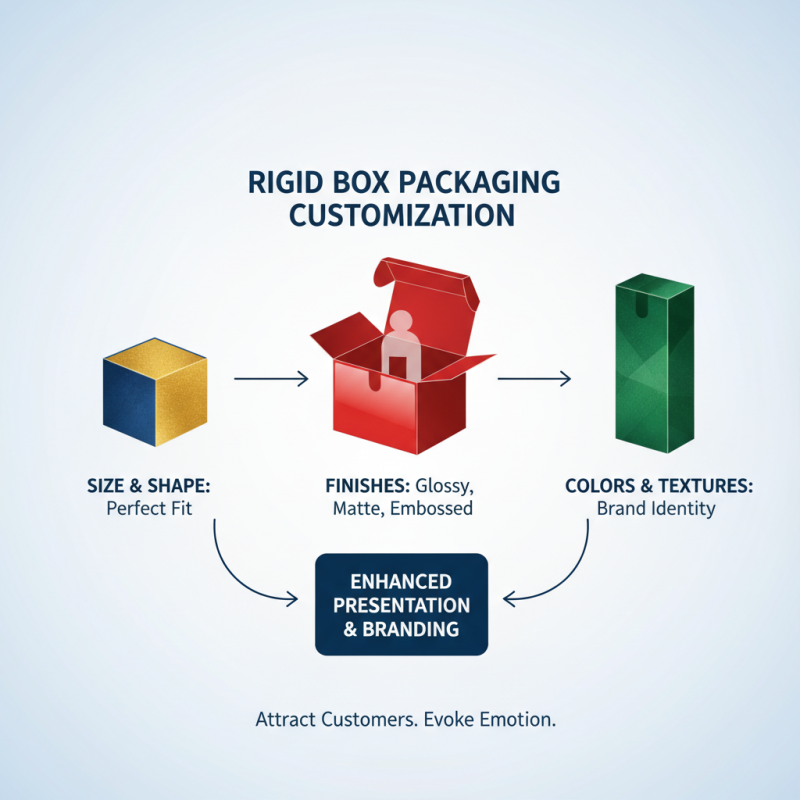
Customization plays a vital role in choosing rigid boxes for packaging needs. These boxes can be tailored to fit various products perfectly. Different sizes, colors, and finishes can enhance the presentation. For example, a glossy finish can make a product stand out on a shelf. Choosing the right color can evoke specific emotions and attract customers' attention.

There are many customization options available. You can select unique shapes, add windows, or include custom inserts. These features add value and improve user experience. However, overlooking the importance of functionality can lead to mistakes. A beautifully designed box that doesn’t protect the product may disappoint customers. Always consider how the box will be used.

Reflecting on this process is essential. Rigid boxes often serve as a branding tool. Poor choices can affect brand perception. It's crucial to balance aesthetics and practicality. Finding the right mix is not always easy. Engaging customers with appealing designs is essential, but functionality should not be sacrificed.

Assessing Cost and Quality in Rigid Box Selection

How to Choose the Right Rigid Boxes for Your Packaging Needs?

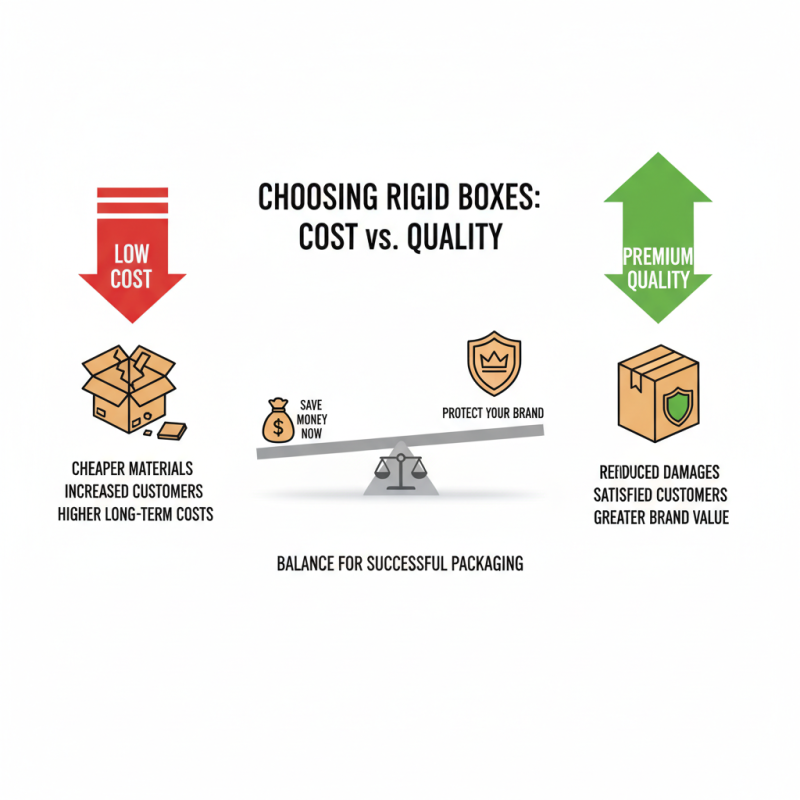
Choosing the right rigid boxes for your packaging can be challenging. This process often involves careful consideration of both cost and quality. Many companies prioritize low prices, which can lead to compromises in materials. A cheaper option may save money initially but could result in higher costs down the line due to damages or customer dissatisfaction.

Quality plays a significant role. High-quality rigid boxes typically use durable materials that protect contents better. Investing in superior quality adds value to your product and enhances brand perception. However, quality options can be more expensive. It's crucial to strike a balance. Sometimes, mid-tier options offer reliable quality without breaking the bank.

Still, evaluating rigid box suppliers might feel overwhelming. A lack of transparency can cloud decision-making. Look for samples before committing. This simple step can reveal the actual quality and construction of the boxes. Reflect on your packaging goals. Is the outer box aesthetic as important as the protection it offers? A thoughtful approach can refine your selection process.