
 Cosmetic Packaging
 Display Packaging
 CBD Packaging
 Retail Packaging
 Product Packaging
 Cigarette Packaging
 Candle Packaging
 Soap Packaging
 Chocolate Packaging
 Vape Packaging
 Food Packaging
 Window Packaging Boxes
 Gift Packaging
 Bakery Packaging Boxes
 Pizza Packaging
 Bottle Packaging
 Garments Packaging
 Custom Printed Bags
 Christmas Packaging
 Toy Packaging
 Cereal Packaging
 Jewelry Packaging
 Apparel Packaging
 Shipping Packaging
 Custom Pre Roll Boxes
 Dispenser packaging
 Eco Friendly Packaging
 Custom Health Packaging
 Pharmaceutical Packaging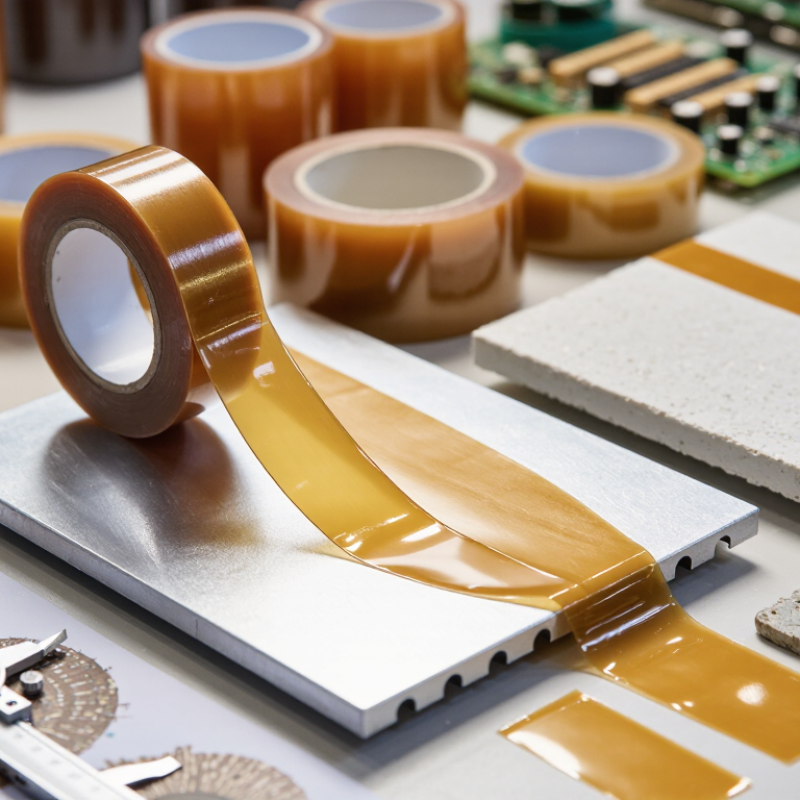
How to Choose the Right Polyimide Tape?
Choosing polyimide tape starts with the actual temperature, not the film’s advertised limit. Many films tolerate high heat, but the adhesive may soften, harden, or leave residue sooner. Check both continuous and short-term temperatures. A circuit exposed to 220°C for ten minutes differs from one operating at 180°C for eight hours. Thermal cycling matters too. Repeated heating and cooling can weaken the bond.
Insulation requirements need equal attention. Identify the voltage, frequency, gap distance, and exposure time. A thin tape may insulate well, yet fail if sharp solder joints pierce it. Measure the required dielectric strength from technical data, then allow a practical safety margin. Adhesion depends on the surface. Clean metal, glass, and smooth plastics behave differently. Remove oil, dust, and moisture before application. Press the tape firmly, especially around corners and uneven edges. Small air pockets can become serious weak points.
Tips: Test a sample on the real surface. Heat it through the expected cycle, then inspect lifting, shrinkage, residue, and edge creep. Try a second tape width if the first one wrinkles. I once treated a clean-looking surface as ready, and the bond failed overnight. That mistake was avoidable. Also review storage conditions, because age and humidity can change performance. No single specification replaces a practical trial.


