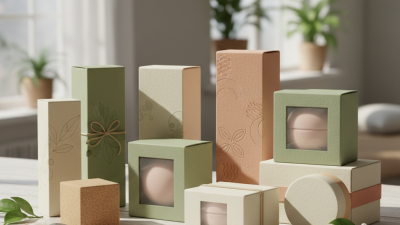
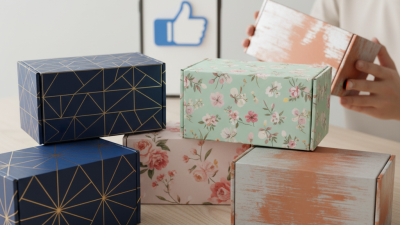
Top Retail Packaging Boxes That Enhance Your Brand Identity?
In today's competitive retail landscape, packaging plays a crucial role in defining brand identity. According to a report by Smithers Pira, the global retail packaging market is expected to reach $500 billion by 2025. This highlights the increasing importance of designing standout retail packaging boxes that resonate with consumers. Expert Jane Smith, a leading voice in packaging design, emphasizes, "The right packaging can elevate a brand from ordinary to extraordinary."
Well-designed retail packaging boxes not only protect products but also communicate a brand's values and story. Research indicates that 72% of consumers form an opinion about a brand based on its packaging. This statistic underlines the need for brands to invest time and resources into their packaging designs. Retail packaging is often the first interaction a customer has with a product. These initial impressions can lead to both repeat purchases and customer loyalty.
However, it's essential to recognize that not all packaging achieves its intended impact. Brands must balance aesthetics with functionality. Poor design choices can detract from a product's appeal. Therefore, it's critical for brands to reflect on their packaging strategies. By understanding consumer preferences and embracing creativity, retailers can develop packaging solutions that enhance their brand identity and leave a lasting impression.

Types of Retail Packaging Boxes That Define Brand Identity
Retail packaging plays a crucial role in defining brand identity. The right packaging can enhance product appeal. In fact, studies show that 72% of consumers say packaging design influences their purchasing decision. Unique shapes, colors, and materials stand out on shelves. Eco-friendly packaging also resonates with modern consumers, as 65% prefer brands that prioritize sustainability.
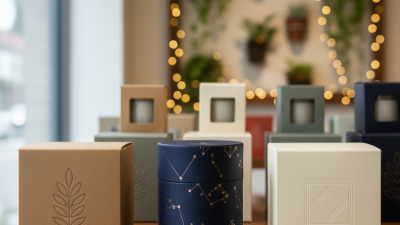
When choosing packaging types, consider using boxes that reflect your brand's essence. Custom boxes can showcase your logo and messaging. Corrugated boxes are sturdy and protect products well. Rigid boxes exude luxury and can elevate high-end items. Folding cartons are versatile for various products, offering ample design space.
Tips: Keep your target audience in mind. Use colors that evoke desired emotions. A study shows that 90% of snap judgments on products are based on color alone. Remember, your packaging should tell a story. A well-thought-out design can make the product memorable. Don't shy away from experimenting, but learn what resonates with your consumers. Packaging is a reflection of your brand, so make sure it aligns with your overall vision.
Materials Used in Effective Retail Packaging Design
Effective retail packaging design relies heavily on the materials used. Paper, cardboard, and plastics are the most common choices. Each material offers unique benefits. For example, cardboard is versatile and easily customizable. It’s also recyclable, appealing to eco-conscious consumers. On the other hand, plastic can provide durability and moisture resistance, but it often lacks the visual appeal of cardboard. Striking a balance between these materials can enhance brand identity.
Locally sourced materials can be a game-changer. They evoke a sense of community. This can resonate deeply with customers. Transparent packaging offers a glimpse of the product inside, building trust. However, oversimplified designs might not convey the brand's values. Some brands still struggle with how to reflect their ethos through materials. Using biodegradable materials shows commitment to sustainability, but can also be pricier.
Experimenting with textures and finishes can elevate the brand experience. Matte finishes often exude sophistication, while gloss can appear more vibrant. However, not every choice is a winner. Some designs may clash with the product’s nature. Brands should consider these aspects carefully. Every detail matters in crafting a memorable identity. Choose wisely to avoid common pitfalls in packaging design.
Top Retail Packaging Materials Used
This chart illustrates the distribution of different materials used in retail packaging design. Each material plays a crucial role in enhancing brand identity and market presence.
Design Elements That Enhance Brand Recognition in Packaging
Packaging plays a crucial role in brand identity. A well-designed package can capture attention. The colors, shapes, and materials used influence customer perception. Bright colors often signify fun, while subdued tones suggest elegance. The choice of font can evoke emotions too. A bold, modern font might appeal to a younger audience, while a classic serif font could attract a more traditional market.
Textures in packaging also create an experience. A soft-touch finish can make a box feel premium. On the other hand, a rough texture might convey rustic charm. Including unique shapes can differentiate a product on shelves. However, it’s important to remember that complexity can alienate customers. Simple designs can often be more memorable. But, simplicity must still reflect your brand’s essence.
Imagery used on packaging should reinforce your message. Visuals should align with brand values. A misstep in imagery can confuse customers. It’s a delicate balance. Too much information can overwhelm; too little can leave questions. Adjusting these elements can lead to better brand recognition. Reflecting on design choices often leads to surprising insights.
The Role of Color Psychology in Retail Packaging Choices
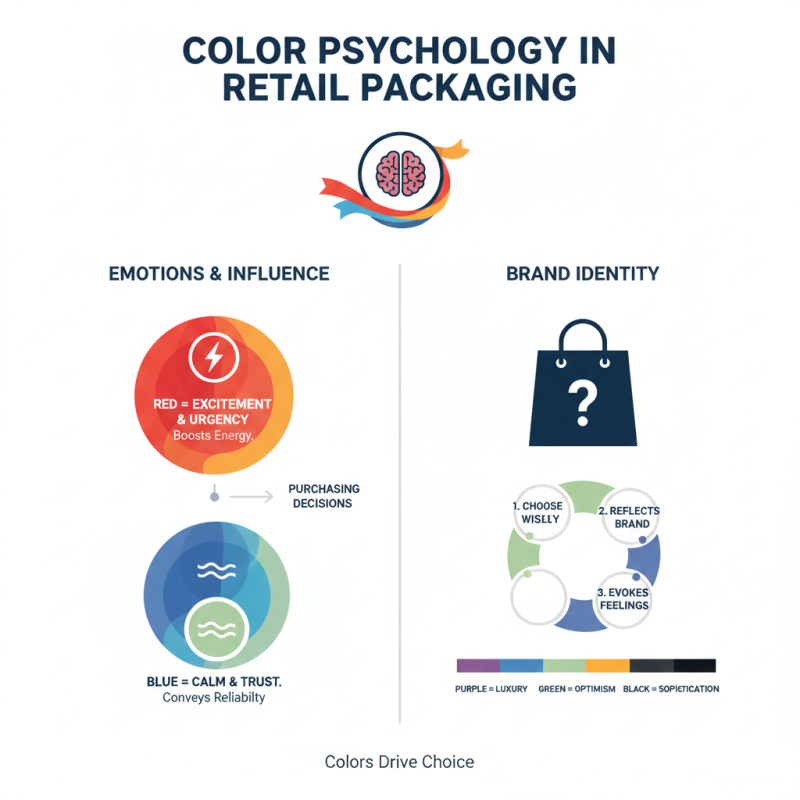
Color psychology plays a crucial role in retail packaging. Colors can evoke emotions and influence purchasing decisions. For instance, red stimulates excitement, while blue is calming. Brands need to choose colors wisely to reflect their identity and evoke the desired feelings in consumers.
When creating packaging, consider how colors can tell a story. Green often represents eco-friendliness, appealing to environmentally conscious shoppers. Yellow can instill feelings of optimism, making it perfect for cheerful brands. It's essential to test different colors to see what resonates with your target audience.
**Tips:** Try to limit your color palette to three main colors. This creates a cohesive look. Remember to think about your brand's message. Has the color choice really captured it? Don't shy away from experimenting. Sometimes an unexpected color combination may surprise you and attract more eyes.
Sustainability Trends in Retail Packaging and Brand Image
Sustainability is more than a trend; it’s becoming essential in retail packaging. According to a recent report by McKinsey, over 60% of consumers prefer brands that prioritize eco-friendly packaging. This increasing awareness pushes brands to rethink their packaging approach. Consumers today want sustainable materials that are recyclable or biodegradable. Brands that ignore this may fall behind.
Additionally, the use of sustainable packaging can significantly enhance brand image. A survey by Nielsen shows that 73% of millennials are willing to pay more for sustainable products. It’s not just about using recycled materials; it’s about conveying a commitment to the environment. Yet, some brands struggle with transparency. They may use vague terms like "eco-friendly" without clear definitions. This can erode trust among consumers who are increasingly savvy.
Moreover, brands must reflect on their choices. Packaging design that emphasizes sustainability can also influence consumer experiences. Innovative designs that aren't just functional but also visually appealing can reinforce a brand's dedication to sustainability. Yet, balancing aesthetics and functionality can be challenging. Some brands may prioritize attractive designs over practical sustainability, leading to potential consumer disappointment. Striking the right balance is crucial for success.

 Cosmetic Packaging
 Display Packaging
 CBD Packaging
 Retail Packaging
 Product Packaging
 Cigarette Packaging
 Candle Packaging
 Soap Packaging
 Chocolate Packaging
 Vape Packaging
 Food Packaging
 Window Packaging Boxes
 Gift Packaging
 Bakery Packaging Boxes
 Pizza Packaging
 Bottle Packaging
 Garments Packaging
 Custom Printed Bags
 Christmas Packaging
 Toy Packaging
 Cereal Packaging
 Jewelry Packaging
 Apparel Packaging
 Shipping Packaging
 Custom Pre Roll Boxes
 Dispenser packaging
 Eco Friendly Packaging
 Custom Health Packaging
 Pharmaceutical Packaging